Kembali ke BlogCoconut 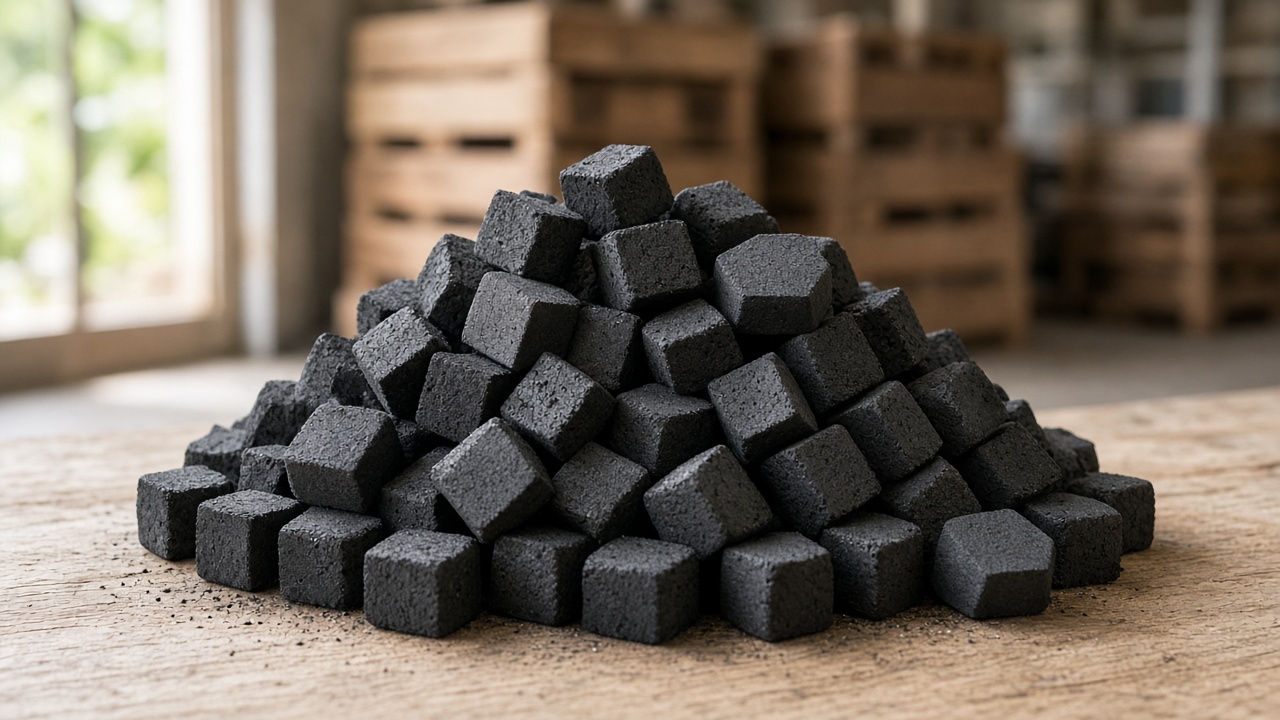
Coconut Shell Charcoal Briquettes from Indonesia: A Practical Buyer's Guide
6 Oktober 2026
Diterbitkan oleh Admin Utama GGG
Insight GGG
Indonesia is one of the world's biggest coconut producers, so it has become a major source of coconut shell charcoal briquettes for shisha (hookah) and barbecue markets. But "coconut charcoal" covers a wide range of quality. Two offers that look the same in a quote can perform very differently once they reach your warehouse.
This guide is for importers, distributors and private-label brands sourcing briquettes from Indonesia. It explains which specs matter, what to ask a supplier, and how to cut the risk on a first container.
Coconut shell charcoal briquettes start as coconut shells, a by-product of coconut processing. The shells are carbonized into charcoal, ground into fine powder, mixed with a binder (usually a food-grade starch such as tapioca), pressed into shape and then dried.
Compared with many wood charcoals, well-made coconut briquettes are known for:
- Consistent shape and size, which makes burn time predictable
- Low smoke and little odor when properly carbonized and dried
- Long, steady heat, which suits both shisha sessions and grilling
- A renewable raw material, since the shells would otherwise be agricultural waste
How much of this you actually get depends on raw material quality, carbonization, binder ratio and drying. That's why specs and samples matter so much.
Before comparing suppliers, be clear about who will use the product. Shisha and barbecue buyers judge charcoal differently.
### Shisha (Hookah) Charcoal
Shisha users sit close to the coal for a long time, so the standards are stricter:
- Low ash content, with fine, light-colored (white or light grey) ash
- No smell or taste carried into the tobacco
- Fast, even ignition and a long burn per piece
- Uniform cubes (sizes such as 25 mm or 26 mm are common) or flat pieces that fit standard bowls and heat-management devices
### BBQ Charcoal
BBQ coconut charcoal briquettes are judged on heat and practicality:
- Long burn time and high, steady heat output
- Low smoke and few sparks
- Shapes such as pillow, hexagonal (often with a center hole for airflow) or larger cubes
- Durability, so pieces don't crumble in bulk bags during transport
Tell your supplier which market you serve. A good supplier will adjust the formula, size and packaging to suit it.
Ask for a specification sheet and, ideally, a recent lab test report (Certificate of Analysis) for each product. These are the parameters most buyers compare:
### 1. Ash Content
Coconut charcoal ash content is often the first number shisha buyers look at. Lower ash generally means a cleaner product and fewer coal changes during a session. Barbecue buyers usually accept higher ash than shisha buyers. Look at ash color as well as the percentage, because grey or dark ash can point to impurities or a poor binder.
### 2. Moisture Content
Low moisture means faster ignition, less cracking and better storage. Briquettes that leave the factory under-dried can absorb more moisture in transit and arrive weaker or harder to light.
### 3. Fixed Carbon and Volatile Matter
Fixed carbon tells you how much of the briquette actually burns as charcoal. Volatile matter affects smoke and ignition. Ask for both figures together. A high fixed-carbon figure means little if volatile matter, ash or moisture are out of range.
### 4. Calorific Value
Calorific value (usually given in kcal/kg) shows how much heat the charcoal delivers. It's useful for comparing suppliers, but always read it alongside burn time and ash.
### 5. Burn Time and Physical Strength
Ask how burn time was tested, and request a drop or breakage test result where possible. Strong briquettes arrive with fewer broken pieces, which matters a lot for retail packs.
Tip: Compare specs only when they were tested the same way. Different labs and test methods can produce different numbers for the same product.
Popular shisha charcoal specifications include cubes (for example 22, 25, 26 or 27 mm) and flats. BBQ lines commonly use hexagonal, pillow and finger shapes. Confirm:
- Exact dimensions and tolerance (for example ±1 mm), since bowl and grill accessories depend on them
- Inner packaging: plastic inner bags protect against moisture
- Retail packaging: 1 kg, 10 kg or custom boxes, often with your own brand (private label)
- Master cartons and palletizing: these affect breakage and how much fits in a container
- Bulk options: jumbo bags for repackers and industrial buyers
If you plan to sell under your own brand, agree on artwork, carton strength and labeling requirements for your market before production starts.
Charcoal needs more care in shipping than many dry commodities. Charcoal can self-heat under certain conditions, so many shipping lines ask for supporting documents before they accept it. Discuss these points with your supplier and freight forwarder early:
- Self-heating test or non-dangerous-goods documentation, if your shipping line asks for it
- Certificate of Origin, which can lower import duties under some trade agreements
- Commercial invoice, packing list and bill of lading
- Lab test report / COA matching the shipped batch
- HS code: coconut shell charcoal is commonly classified under heading 4402. Confirm the exact code with your customs broker
- Container loading: make sure the briquettes are cooled, dried and properly packed before loading
1. Request samples of the exact product and packaging you plan to buy, and test them yourself: ignition, burn time, ash and smell.
2. Agree on written specs with acceptable tolerances and make them part of the contract.
3. Ask about pre-shipment inspection, either by the supplier or an independent third party.
4. Start with a trial container before committing to regular volumes.
5. Choose a supplier with local presence, so production can be checked in person rather than only through photos.
Sourcing directly from Indonesia can be cost-effective, but distance, language and quality differences between producers add risk. A local trading partner can visit producers, check batches before they ship, and handle documents from the factory to your port.
Gatha Gemilang Global is an export trading company based in Medan, North Sumatra. We connect international buyers with Indonesian commodities, and our local presence lets us inspect producers in person and manage the supply chain to your port.
If you're comparing Indonesian coconut charcoal suppliers*, tell us your end market (shisha or BBQ), preferred shape and size, packaging needs and destination port. Contact Gatha Gemilang Global through [gggindonesia.com](https://gggindonesia.com/#contact), email **admin@gggindonesia.com** or WhatsApp *+62 812 6451 588 to discuss specifications and ask about samples.
This guide is for importers, distributors and private-label brands sourcing briquettes from Indonesia. It explains which specs matter, what to ask a supplier, and how to cut the risk on a first container.
What Are Coconut Shell Charcoal Briquettes?
Coconut shell charcoal briquettes start as coconut shells, a by-product of coconut processing. The shells are carbonized into charcoal, ground into fine powder, mixed with a binder (usually a food-grade starch such as tapioca), pressed into shape and then dried.
Compared with many wood charcoals, well-made coconut briquettes are known for:
- Consistent shape and size, which makes burn time predictable
- Low smoke and little odor when properly carbonized and dried
- Long, steady heat, which suits both shisha sessions and grilling
- A renewable raw material, since the shells would otherwise be agricultural waste
How much of this you actually get depends on raw material quality, carbonization, binder ratio and drying. That's why specs and samples matter so much.
Shisha vs. BBQ: Know Your End Market First
Before comparing suppliers, be clear about who will use the product. Shisha and barbecue buyers judge charcoal differently.
### Shisha (Hookah) Charcoal
Shisha users sit close to the coal for a long time, so the standards are stricter:
- Low ash content, with fine, light-colored (white or light grey) ash
- No smell or taste carried into the tobacco
- Fast, even ignition and a long burn per piece
- Uniform cubes (sizes such as 25 mm or 26 mm are common) or flat pieces that fit standard bowls and heat-management devices
### BBQ Charcoal
BBQ coconut charcoal briquettes are judged on heat and practicality:
- Long burn time and high, steady heat output
- Low smoke and few sparks
- Shapes such as pillow, hexagonal (often with a center hole for airflow) or larger cubes
- Durability, so pieces don't crumble in bulk bags during transport
Tell your supplier which market you serve. A good supplier will adjust the formula, size and packaging to suit it.
Key Specifications to Request
Ask for a specification sheet and, ideally, a recent lab test report (Certificate of Analysis) for each product. These are the parameters most buyers compare:
### 1. Ash Content
Coconut charcoal ash content is often the first number shisha buyers look at. Lower ash generally means a cleaner product and fewer coal changes during a session. Barbecue buyers usually accept higher ash than shisha buyers. Look at ash color as well as the percentage, because grey or dark ash can point to impurities or a poor binder.
### 2. Moisture Content
Low moisture means faster ignition, less cracking and better storage. Briquettes that leave the factory under-dried can absorb more moisture in transit and arrive weaker or harder to light.
### 3. Fixed Carbon and Volatile Matter
Fixed carbon tells you how much of the briquette actually burns as charcoal. Volatile matter affects smoke and ignition. Ask for both figures together. A high fixed-carbon figure means little if volatile matter, ash or moisture are out of range.
### 4. Calorific Value
Calorific value (usually given in kcal/kg) shows how much heat the charcoal delivers. It's useful for comparing suppliers, but always read it alongside burn time and ash.
### 5. Burn Time and Physical Strength
Ask how burn time was tested, and request a drop or breakage test result where possible. Strong briquettes arrive with fewer broken pieces, which matters a lot for retail packs.
Tip: Compare specs only when they were tested the same way. Different labs and test methods can produce different numbers for the same product.
Shapes, Sizes and Packaging
Popular shisha charcoal specifications include cubes (for example 22, 25, 26 or 27 mm) and flats. BBQ lines commonly use hexagonal, pillow and finger shapes. Confirm:
- Exact dimensions and tolerance (for example ±1 mm), since bowl and grill accessories depend on them
- Inner packaging: plastic inner bags protect against moisture
- Retail packaging: 1 kg, 10 kg or custom boxes, often with your own brand (private label)
- Master cartons and palletizing: these affect breakage and how much fits in a container
- Bulk options: jumbo bags for repackers and industrial buyers
If you plan to sell under your own brand, agree on artwork, carton strength and labeling requirements for your market before production starts.
Shipping and Documentation Checklist
Charcoal needs more care in shipping than many dry commodities. Charcoal can self-heat under certain conditions, so many shipping lines ask for supporting documents before they accept it. Discuss these points with your supplier and freight forwarder early:
- Self-heating test or non-dangerous-goods documentation, if your shipping line asks for it
- Certificate of Origin, which can lower import duties under some trade agreements
- Commercial invoice, packing list and bill of lading
- Lab test report / COA matching the shipped batch
- HS code: coconut shell charcoal is commonly classified under heading 4402. Confirm the exact code with your customs broker
- Container loading: make sure the briquettes are cooled, dried and properly packed before loading
How to Lower Your Risk on the First Order
1. Request samples of the exact product and packaging you plan to buy, and test them yourself: ignition, burn time, ash and smell.
2. Agree on written specs with acceptable tolerances and make them part of the contract.
3. Ask about pre-shipment inspection, either by the supplier or an independent third party.
4. Start with a trial container before committing to regular volumes.
5. Choose a supplier with local presence, so production can be checked in person rather than only through photos.
Why Work with an Indonesia-Based Trading Partner?
Sourcing directly from Indonesia can be cost-effective, but distance, language and quality differences between producers add risk. A local trading partner can visit producers, check batches before they ship, and handle documents from the factory to your port.
Gatha Gemilang Global is an export trading company based in Medan, North Sumatra. We connect international buyers with Indonesian commodities, and our local presence lets us inspect producers in person and manage the supply chain to your port.
Planning Your Next Briquette Order?
If you're comparing Indonesian coconut charcoal suppliers*, tell us your end market (shisha or BBQ), preferred shape and size, packaging needs and destination port. Contact Gatha Gemilang Global through [gggindonesia.com](https://gggindonesia.com/#contact), email **admin@gggindonesia.com** or WhatsApp *+62 812 6451 588 to discuss specifications and ask about samples.
A
Author: Admin Utama GGG
Export commodity specialist at PT Gatha Gemilang Global. Focuses on developing international market strategies and supply chain management of superior Indonesian products.